Cruise Deals Last Minute Deals: How to Save on Short-Notice Sailings
Cruise deals last minute deals are one of the travel industry’s worst-kept secrets. Cruise lines hate sailing with empty cabins, so in the final weeks before departure they quietly cut fares, sometimes by 40% to 70% off the brochure price. A balcony on a seven-night Caribbean run that listed at $1,800 per person three months out can drop under $900 as sail date approaches. The catch is that these prices are unpredictable, the cabin selection is thin, and the cheap fare alone rarely tells the whole story.
This guide explains how last-minute cruise pricing actually works, which lines discount most aggressively, where to find the deals, and how to separate a genuine bargain from a fare that only looks cheap until you add port fees, taxes, gratuities, and airfare. If you can be flexible on dates, cabin type, and destination, you can routinely sail for less than half of what early bookers pay.
Why Cruise Lines Offer Last Minute Deals
Every cruise is a fixed-cost proposition. The ship sails whether it’s 92% full or 63% full, and crew salaries, fuel, and food costs barely move with passenger count. What does change is onboard revenue. A passenger who bought a bargain cabin still spends on drinks packages, specialty dining, shore excursions, casino play, and spa treatments. That makes a discounted fare far more valuable than an empty room.
Because of this math, cruise lines use a practice called “hiding the discount” to protect their full-fare customers. Rather than publicly slashing rack rates, they push unsold inventory through flash sales, email lists, travel agents, and third-party sites. This lets them fill cabins without training regular customers to wait for a fire sale. Royal Caribbean and Norwegian, for example, run weekly “Going, Going, Gone” and “Cruise First” style promos that surface only to subscribers or logged-in members.
The discounts get real in the so-called “final payment window,” usually 90 days before departure for most lines. When that date passes, passengers who cancel forfeit their deposit, so cancelations drop sharply and the line knows exactly how many cabins it still needs to move. That’s when the deepest last minute cruise deals appear, typically 60 to 7 days out.
Which Cruise Lines Discount the Most
Not every operator cuts prices at the last minute the same way. Premium lines that cultivate an upscale brand image—think Viking, Regent, or Seabourn—rarely advertise deep discounts, preferring to hold price and let cabins sail empty rather than dilute the brand. Mass-market lines are the opposite.
| Cruise Line | Discount Style | Typical Savings | Best For |
|---|---|---|---|
| Carnival | Aggressive flash sales, “Pack & Go” fares | 30–50% off | Budget travelers, short Bahamas/Caribbean runs |
| Royal Caribbean | Weekly “Going, Going, Gone” drops | 25–45% off | Families, big-ship amenities |
| Norwegian | “Free at Sea” plus last-minute cuts | 30–55% off | Solo travelers, flexible itineraries |
| MSC Cruises | Deep off-season and repositioning deals | 40–70% off | Mediterranean and transatlantic routes |
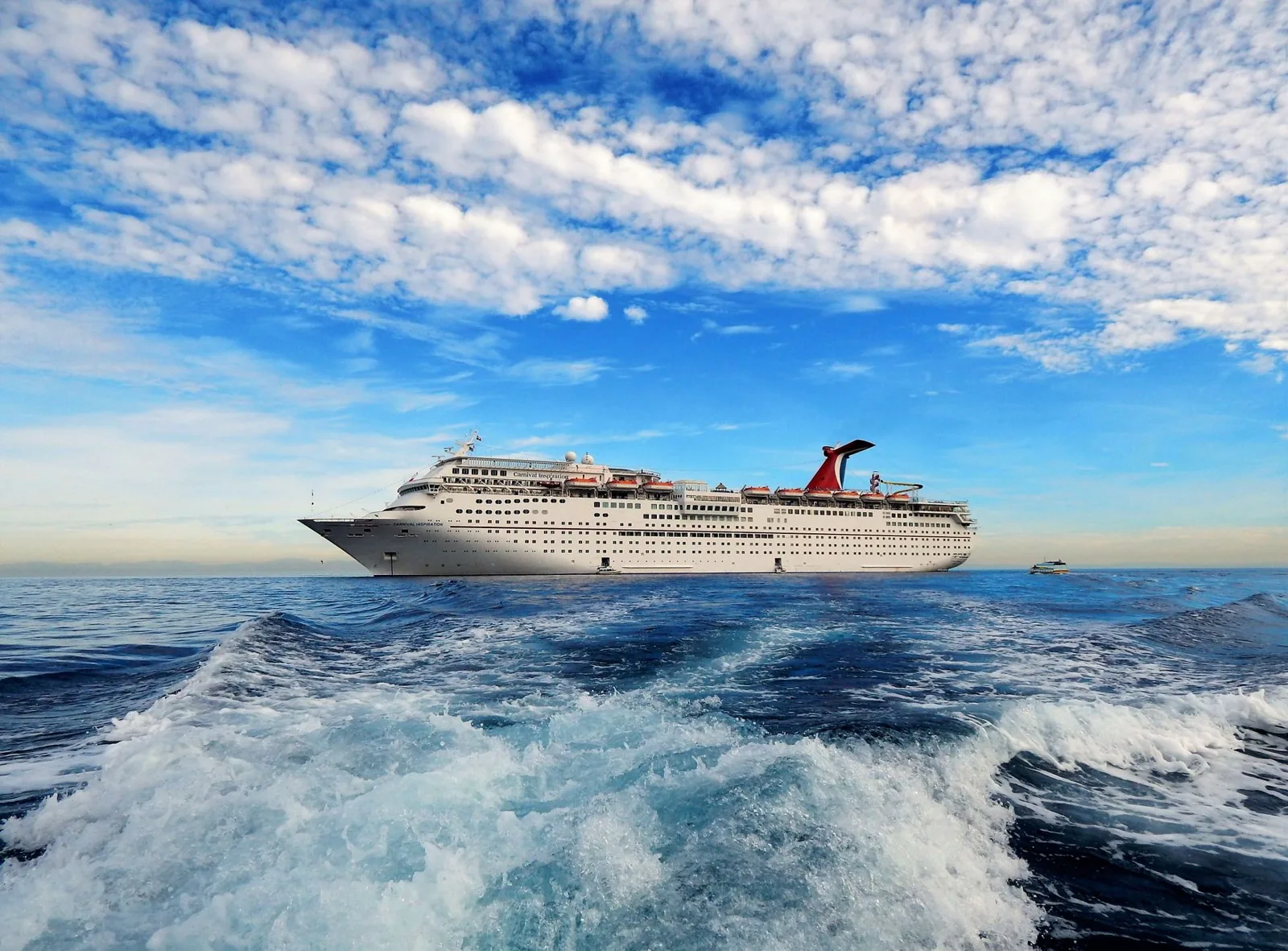
Carnival is consistently the cheapest last-minute buy in North America. Its older ships run 3- and 4-night Bahamas trips out of Miami and Port Canaveral that frequently drop to $199–$299 per person plus fees, which pencils out to under $100 a night for room, meals, and entertainment. MSC goes deepest on repositioning cruises—the one-way sailings when a ship moves between the Mediterranean and the Caribbean in spring and fall—where inside cabins occasionally dip below $399 for 14-plus nights.
Where to Find Cruise Deals Last Minute Deals
The single best free tool is your own email address. Cruise lines announce their sharpest discounts to newsletter subscribers first, and some fares (Norwegian’s and Royal Caribbean’s, especially) never appear in public search results unless you’re logged into a loyalty account. Sign up for the marketing emails of the two or three lines you’d actually sail, and check them on Tuesdays and Wednesdays, when most fare drops are released.
Aggregator and review sites are the second-best source. Cruise Critic maintains a dedicated last-minute deals page refreshed daily, and its forums are where experienced cruisers post live sightings of mispriced fares before they’re corrected. The Points Guy regularly publishes roundups of current cruise sales with the total cost broken out, which helps when you’re comparing apples to oranges across lines. Vacation-packaging sites like Expedia and Cruise.com also run their own booking-bonus promos—onboard credit or free gratuities—on top of line discounts.
One caution: third-party booking sites sometimes show a headline price that excludes port charges and taxes, while the cruise line’s own site shows the full amount. Always compare the all-in total, not the lead number.
When the Price Is Lowest
- 90–60 days out: Final-payment cancelations free up cabins; modest deals begin.
- 60–30 days out: Steady discounts, best balance of price and cabin choice.
- 30–14 days out: Deepest deals, but cabin and itinerary choices narrow sharply.
- 7 days out and less: Fire-sale fares, but you’ll likely take whatever cabin is left and may need a last-minute flight.
How to Tell If the Deal Is Actually a Deal
A low sticker price is not the same thing as a low total cost. Before you book any last minute cruise deal, add up the full out-the-door number, because that’s where most “bargains” quietly fall apart.
First, port fees and taxes. These run roughly $100 to $180 per person on Caribbean itineraries and can exceed $300 on European ones, and they’re mandatory no matter how cheap the fare. Second, gratuities. Most major lines now auto-charge $16 to $23 per person per day, which is another $224 to $322 on a two-person, seven-night sailing. Third, airfare. A $299 last-minute cabin stops looking clever if a same-week flight from your airport to Fort Lauderdale costs $700.
A useful benchmark: divide the all-in total by the number of nights. If you’re under $100 per person per night for a mainstream line, you’ve found a genuinely good cruise deal. Between $100 and $150 is fair. Above $150 on a mass-market ship, you’re no longer getting a steal—you’re just buying a cruise at a normal price, faster.
The cabin matters too. Last-minute inventory is usually the leftovers: obstructed-view balconies, guarantees where the line assigns your room later, or inside cabins near loud common areas like the theater or engine room. For reference on what a fair price looks like at every tier, see our breakdown of how much a good cruise costs before you commit.

Should You Insure a Last Minute Cruise?
Yes—arguably more than you would insure a cruise booked a year out. A last-minute booking usually falls inside the line’s penalty window from day one, meaning if you cancel for any reason, you forfeit most or all of the fare almost immediately. It also means you’re more likely to be flying in the day of embarkation, which raises the odds of a weather or mechanical delay making you miss the ship.
A standard policy covering trip cancelation, trip interruption, and medical evacuation costs typically 5% to 10% of the trip total, and it’s the only layer of protection for a non-refundable bargain fare. If you’re weighing whether cruise-specific coverage is worth it, compare the best cruise insurance companies for plans that include missed-connection coverage, or read more on how cruise insurance differs from standard travel insurance.
Frequently Asked Questions
What is the best time to book a last minute cruise?
The sweet spot is 60 to 30 days before departure, after final payments have passed and cancelations have released inventory, but while there’s still enough cabin choice to avoid the worst rooms. The deepest discounts come inside 14 days, but you’ll trade price for very limited cabin and itinerary selection.
Do you actually save money on last minute cruises?
Often, yes—fares on mass-market lines routinely drop 30% to 55% versus booking months ahead. But the savings can be partially or fully erased by high last-minute airfare, mandatory gratuities, and port fees, so you have to compare the all-in total rather than the headline price.
Which cruise lines have the best last minute deals?
Carnival and MSC generally discount deepest, especially on short Bahamas runs and repositioning sailings. Royal Caribbean and Norwegian offer strong deals too, but their best prices are often hidden behind loyalty-account logins and weekly flash-sale emails.
Can solo travelers find last minute cruise deals?
Yes, and Norwegian is the standout because many of its newer ships have dedicated studio cabins with no single supplement. MSC and Royal Caribbean also periodically waive or reduce single supplements on undersold sailings, so solo travelers can find rare true double-occupancy-equivalent fares.
What hidden fees should I watch for on a last minute fare?
Port fees and taxes (roughly $100–$180 per person on Caribbean routes), automatic daily gratuities of $16–$23 per person, and drinks or Wi-Fi packages not included in the base fare. Add same-week airfare to the total and compare against the $100-per-night benchmark before deciding.
The Bottom Line
Cruise deals last minute deals are real, and for flexible travelers they’re one of the best values in the entire vacation market—an all-inclusive hotel, resort, and entertainment venue that can drop under $100 per person per night on mainstream lines. The keys are booking in the 60-to-30-day window, doing your own research through line newsletters and sites like Cruise Critic, and judging the fare on its all-in total, not its sticker price.
If you can roll with whatever cabin is left, fly in the day before when possible, and protect the non-refundable fare with the right insurance, short-notice cruising is consistently one of the cheapest ways to see the Caribbean, Mediterranean, or Alaska. Start by setting a fare alert on the two or three lines you’d genuinely sail, and pull the trigger when the all-in nightly rate drops below $100.